

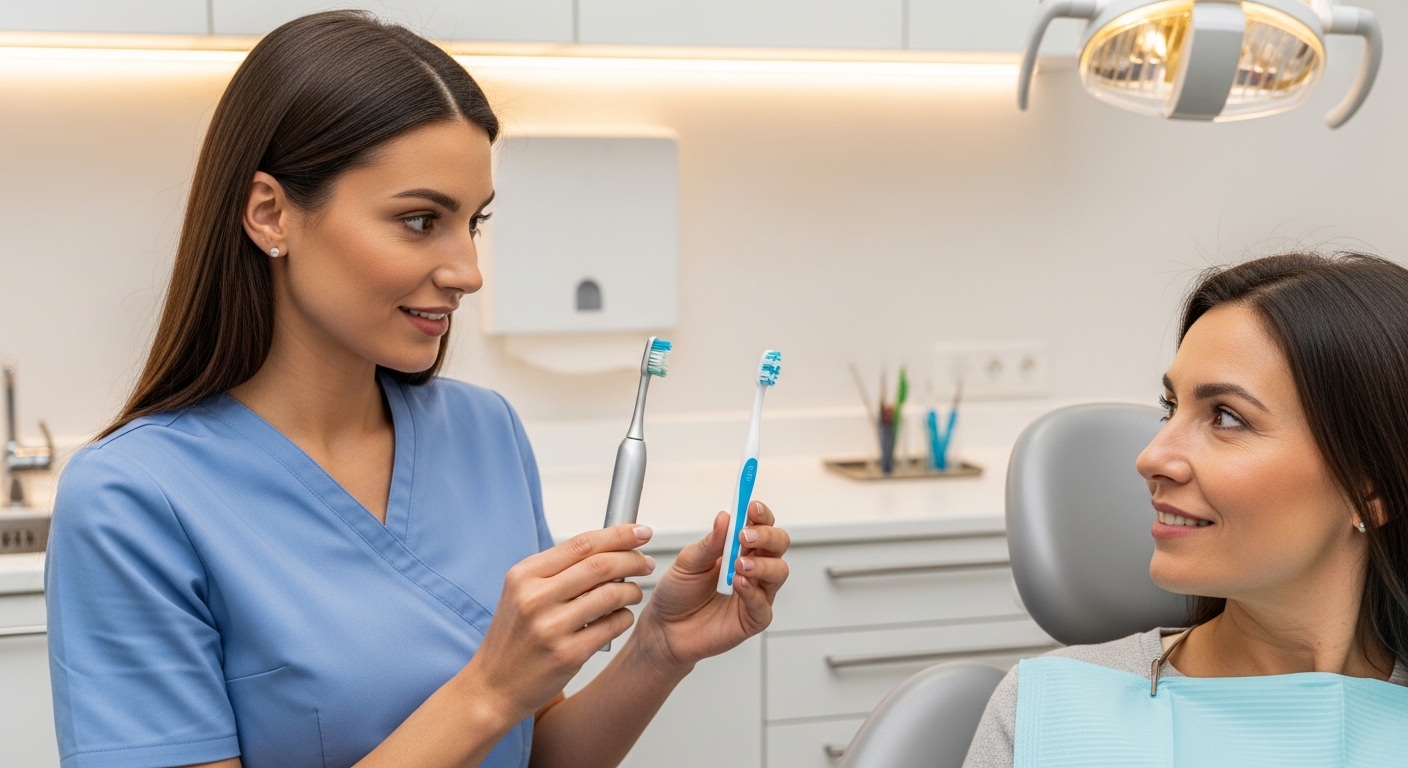
When it comes to maintaining oral health, choosing the right toothbrush can make a significant difference. One of the most common questions we hear from patients is whether electric toothbrushes are better than manual ones. This question has sparked extensive debate among dental professionals and patients alike. At Eric George DMD multidisciplinary dental practice in Coventry, RI, led by board-certified implant surgeon Dr. Eric George, we’re committed to providing you with the most current and evidence-based information to support your health decisions.
Electric vs. Manual: Key Differences
Manual toothbrushes have been around for centuries and are familiar to most of us. They rely on the user to perform brushing motions and come in various bristle shapes and sizes. Meanwhile, electric toothbrushes are a more modern invention, with rotating or vibrating heads designed to offer additional cleaning power. Electric models generally fall under two categories: oscillating-rotating and sonic.
Electric Toothbrush Benefits
Research has shown several benefits of electric toothbrushes. Firstly, the rotating heads and sonic technology effectively remove more plaque in less time. The vibrations can also help stimulate gums, reducing gingivitis. Many electric toothbrushes come with built-in timers to ensure you’re brushing for the recommended two minutes, which helps achieve a thorough clean.
Are Electric Toothbrushes Better Than Manual?
Conclusive studies suggest that electric toothbrushes outperform manual brushes in terms of reducing plaque and gingivitis. The American Dental Association even grants its Seal of Acceptance to certain electric toothbrush models that meet its rigorous standards for safety and efficacy. However, it’s essential to consider individual needs, preferences, and budgets when choosing a toothbrush. An electric toothbrush might not be necessary for everyone.
Patient Experiences and Outcomes
Many patients report feeling their teeth are cleaner after switching to an electric toothbrush. Those with disabilities or arthritis appreciate the ease of use, as the toothbrush handles much of the brushing action for them. Parents with young children also find it easier to ensure their kids are brushing effectively.
Cost and Accessibility
While the initial cost of electric toothbrushes is higher than that of manual ones, many consider it a worthwhile investment in their oral health. Battery or USB-operated models add convenience, but they may entail additional costs for replacement heads. Always check with your dental provider to see whether your insurance offers any coverage or discounts for specific products.
Impact on Oral Health
Oral health education plays a critical role in toothbrush use. No matter how advanced your toothbrush, brushing technique, frequency, and duration are vital. Our practice emphasizes balanced instruction, focusing on combining proper brushing with regular visits for cleanings and check-ups. Learn how gum disease can be a major threat if oral health is neglected.
Choosing the Right Toothbrush for Your Needs
When picking a toothbrush, consider factors like head size, bristle softness, and ease of use. Choose a brush with the ADA Seal of Acceptance to ensure quality. For personalized recommendations, consult our team at Eric George’s practice.
When to Consult a Dentist
If you notice persistent plaque buildup, bleeding gums, or tooth sensitivity despite regular brushing, it could be time to consult a professional. Underlying issues may require professional intervention beyond what a toothbrush can provide.
FAQ Section
-
Can children use electric toothbrushes? Yes, but ensure they are age-appropriate and supervised to prevent misuse.
-
How often should I replace my toothbrush or brush head? Every 3-4 months or sooner if bristles fray.
-
Are electric toothbrushes safe for braces? Yes, many models have specific settings for brace wearers.
-
What if I have sensitive teeth? Look for models with soft-bristle settings and consult your dentist for advice.
-
How does an electric toothbrush improve oral hygiene? It provides consistent, effective brushing movements that can enhance plaque removal.
Conclusion and CTA
Choosing between electric and manual toothbrushes is an important decision that affects your overall dental health. We invite you for a consultation at Dr. Eric George’s practice in Coventry, RI, to discuss your oral health needs and determine the best toothbrush for you. Our dedicated team is here to guide you through every smile-enhancing decision. For more insights on oral care, you might want to check out how to spice up your oral care routine with creative dental accessories.